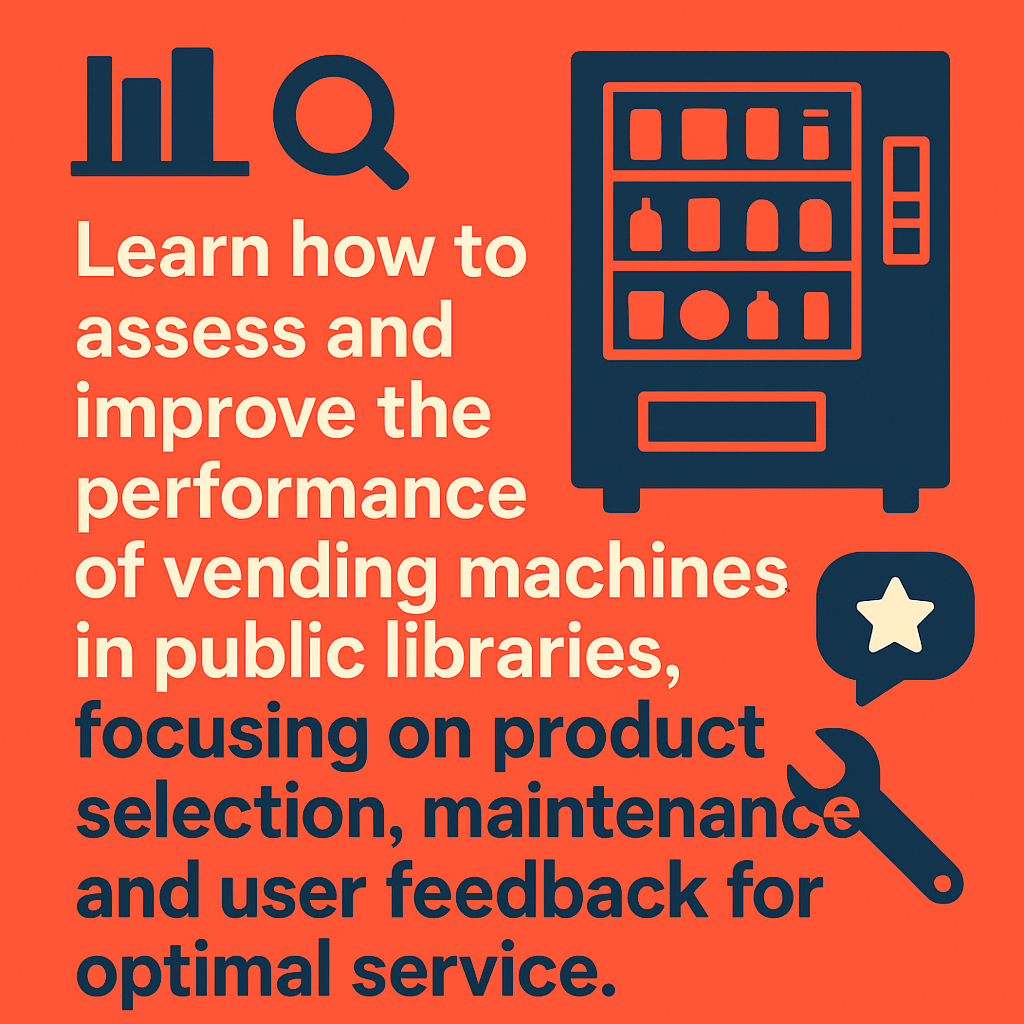
Public libraries are vital community hubs, and providing convenient amenities like vending machines can significantly enhance the visitor experience. However, simply placing machines isn't enough; evaluating their ongoing performance is crucial to ensure they meet the needs of patrons, contribute positively to the library environment, and operate efficiently. A well-performing vending service can offer much-needed refreshments, especially during long study sessions, after-school programs, or community events, without burdening library staff.
Key Areas for Performance Evaluation
To effectively evaluate vending machine performance, libraries should focus on several key areas:
- Product Selection: Are the items offered popular? Do they cater to diverse dietary needs and preferences within the community? Regularly reviewing sales data and conducting quick patron surveys can highlight which snacks and drinks are in demand. For instance, focusing on healthy options aligns well with public wellness initiatives and can be explored further in topics like healthy vending in government facilities.
- Machine Uptime and Maintenance: How frequently are machines out of order? Prompt repair and restocking are paramount to customer satisfaction. Telemetry solutions often employed by vending operators provide real-time alerts for errors or low stock, allowing for proactive service.
- Cleanliness and Presentation: A clean and well-maintained vending area reflects positively on the library. Ensuring regular cleaning schedules and addressing any litter immediately are essential.
- Revenue Generation: If the library is on a revenue-sharing model, understanding sales trends directly impacts the financial benefit. Evaluating performance helps optimize product mix and placement to maximize this income stream. More details on this can be found in discussions about revenue sharing from vending in public buildings.
- User Feedback: Instituting simple methods for patrons to provide feedback on selection, machine operation, or overall satisfaction can yield invaluable insights for improvement.
Continuous Improvement for Enhanced Patron Experience
Performance evaluation is not a one-time task but an ongoing process. Libraries can benefit from scheduled reviews, perhaps quarterly, where they analyze sales reports, maintenance logs, and collected feedback. This data-driven approach allows for informed decisions, such as rotating less popular items for new ones, adjusting machine placement for better accessibility, or even exploring different types of machines, like those that offer non-food items if there's a demand. Ensuring machines are accessible, clean, and stocked with desired products fosters a more comfortable and appreciated environment for all library visitors. Considerations such as accessibility in public building vending machines are also crucial for a truly inclusive service.

 Data-driven product selection to meet diverse patron needs