The Evolution of Airport Vending Machine Design
Trace the evolution of airport vending machine design, from basic functionality to modern, aesthetically pleasing, and technologically advanced units.
Back to Vending For Airports Resources
Trace the evolution of airport vending machine design, from basic functionality to modern, aesthetically pleasing, and technologically advanced units.
Back to Vending For Airports ResourcesModern airport vending machines are no longer just functional boxes; they are integral parts of the passenger journey, offering convenience, aesthetic appeal, and cutting-edge technology.
 Sleek designs enhance airport aesthetics and passenger comfort
Advanced technology ensures quick, hassle-free transactions
Diverse product offerings meet the varied needs of global travelers
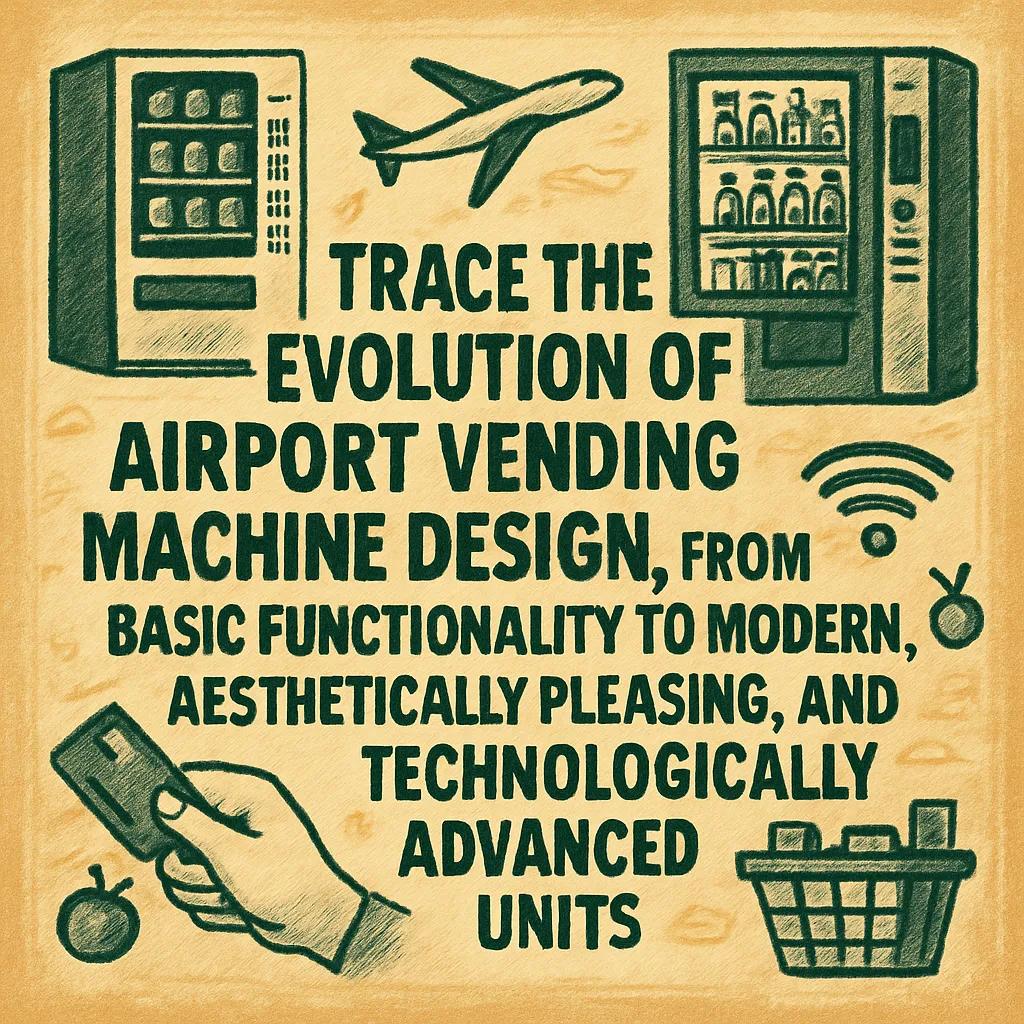
The journey of airport vending machine design mirrors the evolution of airports themselves—from utilitarian facilities to sophisticated, passenger-centric hubs. What once began as simple machines dispensing candy and soda has transformed into a dynamic ecosystem of unattended retail solutions, meticulously designed to meet the demands of modern air travel. This evolution isn't just about aesthetics; it encompasses technological advancements, increased product diversity, enhanced security, and a deeper understanding of traveler psychology.
In their nascent stages, airport vending machines were primarily chosen for their reliability and capacity for basic snacks and drinks. Their design was robust, often clunky, prioritizing functionality over integration with the airport environment. Think heavy-duty metal boxes with mechanical levers or rudimentary button interfaces. The focus was simple: provide sustenance. Considerations like energy efficiency or visual appeal were secondary.
The late 20th and early 21st centuries brought a wave of digital innovation that profoundly impacted vending design. Cashless payment systems, touchscreens, and remote monitoring capabilities became standard. This shift allowed for sleeker designs, as bulky coin mechanisms became less critical. Passengers, often in a hurry, benefited from faster transactions and more reliable service. Telemetry systems introduced the ability to remotely track inventory and technical issues, leading to better uptime.
Today's airport vending machines are designed to be seamless extensions of the terminal environment. Manufacturers now emphasize sleek lines, modern materials like tempered glass and brushed metals, and customizable branding options. Units can be integrated into wall recesses or designed as standalone kiosks that complement the architectural style of a specific concourse. Furthermore, the product range has exploded. Beyond traditional snacks and beverages, airports now feature specialty vending machines for travel essentials like headphones, chargers, personal care items, and even luxury goods. This diversification caters to the wide array of traveler needs and preferences, turning what was once an afterthought into a strategic amenity.
Looking ahead, the evolution continues at a rapid pace. Artificial intelligence and machine learning are enabling machines to understand passenger preferences, offering personalized recommendations. Biometric scanners and advanced mobile payment options are further streamlining the purchasing process, while larger, more sophisticated units are blurring the lines between vending and full-fledged micro-stores. Safety and security remain paramount, with sophisticated monitoring and tamper-detection systems integrated into every design. Airport operators are finding that integrating these advanced units can significantly enhance the overall traveler experience, offering convenience and a modern aesthetic. Explore more about specific challenges in this environment by reading about managing airport vending logistics.
From robust and chunky to elegant and intelligent, airport vending machine design has come a long way, constantly adapting to technology and the evolving demands of millions of travelers. If you're considering augmenting your airport's amenities with innovative vending solutions, knowing where to install and operate these machines optimally is key to maximizing traveler sales. For tips on where to place these revenue-generating machines, consider learning about optimal vending machine placement in airports.
Early designs focused on basic functionality and durability. Modern designs incorporate aesthetics, smart technology, and a wider variety of products, blending into the airport environment.
Key drivers include increasing passenger expectations, advancements in vending technology, the need for enhanced security, and the desire for improved aesthetics within terminal spaces.
Modern features include sleek, minimalist exteriors, intuitive touchscreens, cashless payment systems, energy-efficient components, and transparent displays for product visibility.
Easier navigation, faster transactions, broader product offerings, and more aesthetically pleasing machines contribute to a more positive and convenient experience for travelers.
Yes, many new airport designs aim for seamless integration, with vending units designed to complement their surroundings, often featuring custom branding or hidden installations.
Technology enables features like remote monitoring, predictive restocking, real-time inventory updates, interactive user interfaces, and advanced payment processing, all influencing design.
Security influences robust construction, anti-theft mechanisms, integrated surveillance capabilities, and tamper-resistant features, often without compromising sleek exteriors.
Absolutely. Enhanced refrigeration, varied slot sizes, and specialized compartments allow for a much broader range of products, from fresh food to electronics and personal care items.
Yes, current designs often prioritize energy-efficient components like LED lighting and advanced cooling systems, aligning with airport and consumer demands for sustainability.
Future trends include greater personalization, AI-driven recommendations, fully autonomous micro-stores, biometric payment options, and even more immersive digital advertising.